Brain Tumor
Understanding Brain Tumor: A Simple Guide to a Complex Topic
Hearing the words “brain tumor” can feel scary. It’s natural to feel a rush of questions and a bit of uncertainty. To help you navigate this, let’s break down exactly what a brain tumor is and how they differ, without the heavy medical jargon.
What exactly is a brain tumor?
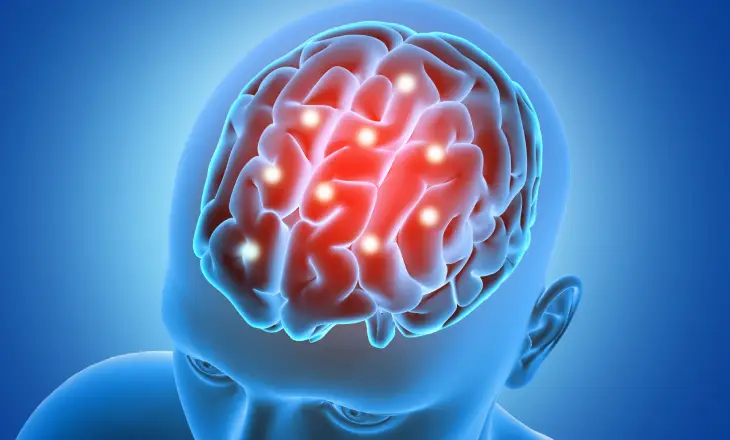
At its simplest, a brain tumor is an unusual growth of cells. Our bodies are usually great at regulating how cells divide, but sometimes that process hits a glitch, and cells begin to grow where they shouldn’t and take all nutrition that are supposed to be consumed by normal brain cells.
These growths can happen anywhere inside the skull not just in the “gray matter” of the brain itself, but also in the nerves, the blood vessels, or even the protective layers (meninges) that wrap around the brain.
Understanding the Different Types
Not all tumor are the same, and knowing the “personality” of the tumor helps doctors create the right roadmap for treatment.
Benign Tumor (Non-cancerous): Think of these as “slow growers.” While they aren’t cancerous, they still need to be watched closely. Because the skull is a tight space, even a non-cancerous growth can press against sensitive areas like the brain stem or optic nerves.
Malignant Tumor (Cancerous): These are more aggressive. Doctors will look at whether the tumor is Primary (meaning it started in the brain) or Metastatic (meaning it travelled there from somewhere else).
Metastatic Tumor (The “Travelers”): Sometimes, cancer cells from the lungs, breast, or colon decide to migrate to the brain. Interestingly, these “secondary” tumor are often how people first discover they have an issue elsewhere in the body.
Why the Details Matter
If you or a loved one are facing this diagnosis, remember that every tumor is unique. Your neurosurgeon will look at three main factors to decide on the best path forward:
Size: How large is the growth?
Type: Is it fast-moving or slow?
Location: Is it in a spot that is easy to reach, or near a vital “control center” for the body?
Based on all considerations, your neurosurgeon, Dr Saurabh Kumar Sinha will guide you for best treatment options, whether it requires
- Observation by regularly clinical and radiological follow up
- Partial surgical excision / biopsy of tumor
- Gross total excision and biopsy of tumor under neurophysiological monitoring
- Adjuvant treatment like chemotherapy and radiotherapy based on final biopsy report
Brain Tumour Approach
Early diagnosis and prompt treatment are crucial for brain tumour patients. Diagnosis involves neurologic exams, MRIs, and CT scans. Sometimes one may require pre-operative Brain Angiography to look for tumour embolization to make the tumour less vascular, if possible over all the treatment plan is determined based on factors such as the patient’s age, the overall health of the patient, tumour type, size, location, and characteristics. Treatment may involve a single or combination of procedures, including surgery, radiation therapy, chemotherapy, or medications.