
Pediatric neurosurgery
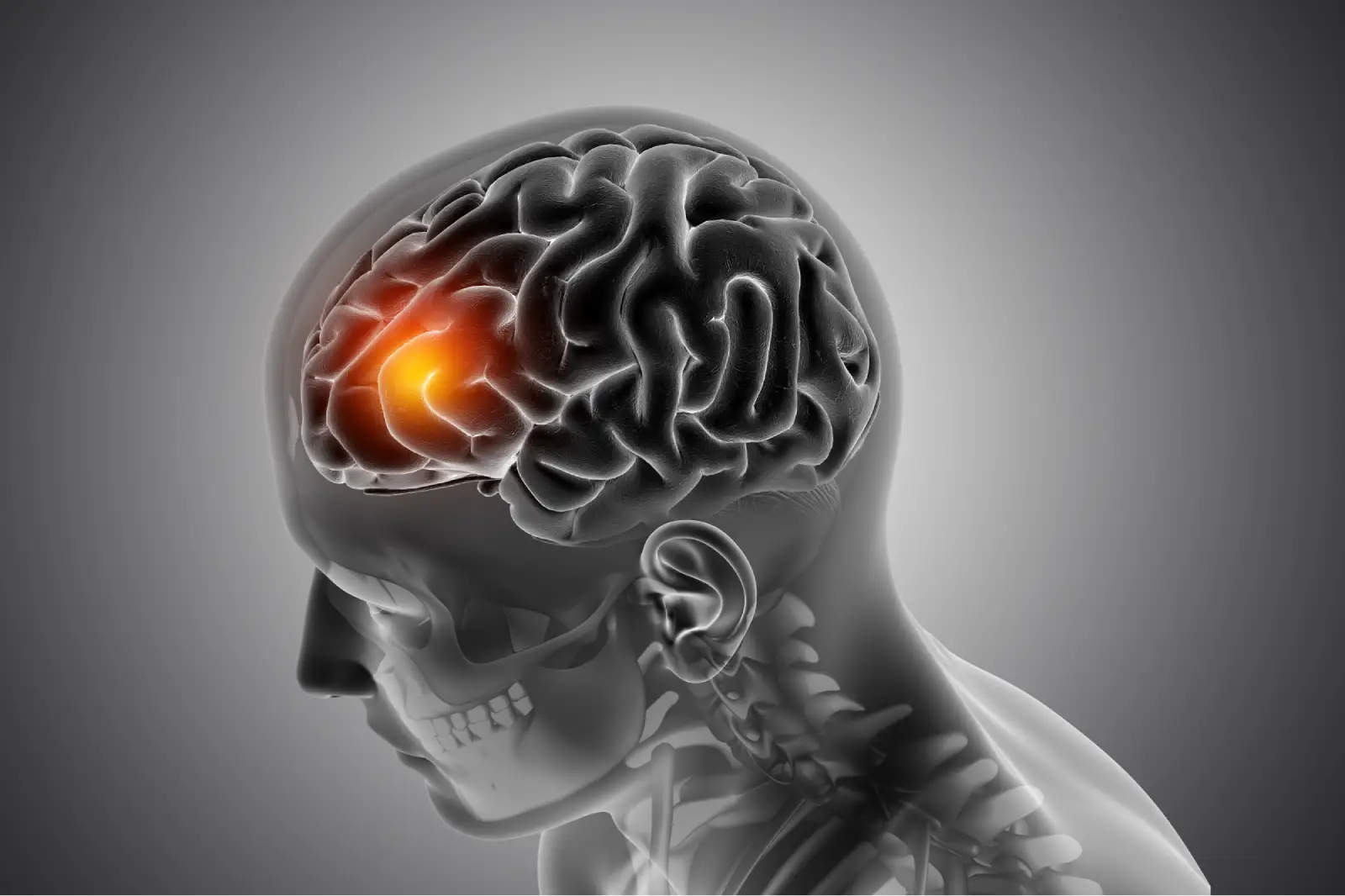
The Gift of a Future: A Comprehensive Guide to Pediatric Neurosurgery
Pediatric neurosurgery is perhaps the most delicate specialty in all of medicine. It is a field where the surgeon does not just treat a disease, but protects a lifetime of potential. Unlike adult neurosurgery, which often deals with degeneration, pediatric neurosurgery focuses on development, congenital anomalies, and rapid growth.
In this five-page equivalent overview, we explore the primary conditions affecting the pediatric nervous system and the pivotal role of the neurosurgeon in guiding these young patients toward a healthy adulthood.
1. Pediatric Brain Tumors: The Fight for Cognitive Preservation
Brain tumors are the most common solid tumors in children. Unlike adult tumors, which are often metastatic, pediatric brain tumors are usually primary, arising from the developing brain tissue itself.
- Medulloblastoma: A fast-growing tumor in the cerebellum. Modern treatment combines surgical resection with proton therapy to minimize damage to a child’s developing IQ.
- Pilocytic Astrocytoma: Often benign and highly curable through precise surgical removal.
- Ependymoma: Tumors arising from the lining of the ventricular system, requiring micro-surgical excellence to detach from vital brainstem structures.
The Goal: The neurosurgeon’s objective is “maximal safe resection”—removing as much tumor as possible while meticulously preserving normal brain function of motor, sensory, and cognitive pathways that the child will need to learn and grow. These tumors can have a good outcome and healthy life provided appropriate diagnosis, surgery, and adjuvant treatment are given on time.
2. Spinal Dysraphism and the Tethered Cord
Spinal dysraphism refers to a group of congenital defects where the spine and spinal cord do not form correctly, often called neural tube defects.
- Spina Bifida (Myelomeningocele): The most severe form, where the spinal cord is exposed at birth. Modern fetal surgery (operating while the baby is still in the womb) or immediate postnatal repair is critical to prevent infection and further nerve damage.
- Occult Spinal Dysraphism: Hidden defects, such as a fatty tumor (lipoma) attached to the spinal cord.
- Lipomeningomyelocele: Fat or lipid attached to the lower part of the spine gives the spinal cord a downward pull and slows normal spinal cord function.
- Tethered Cord Syndrome: Normally, the spinal cord floats freely in the spinal canal. In a tethered cord, the tissue is stuck to the surrounding bone or skin. As the child grows, the cord is stretched like a rubber band, leading to leg weakness, pain, and bladder issues.
The Intervention: Neurosurgeons perform a detethering procedure, a microscopic surgery to release the cord, allowing it to move freely and preventing permanent paralysis as the child grows.
3. Chiari Malformation: Relieving the Pressure
A Chiari malformation occurs when the lower part of the brain (the cerebellum) extends into the spinal canal because the skull is too small. This blocks the normal flow of cerebrospinal fluid (CSF).
- Symptoms: Severe tussive headaches (pain when coughing or sneezing), balance issues, and swallowing difficulties.
- Treatment: A Posterior Fossa Decompression procedure where the neurosurgeon removes a small piece of bone at the back of the skull to create more room for the brain. This restores CSF flow and prevents long-term neurological complications.
4. Craniosynostosis: Sculpting the Growing Mind
Craniosynostosis occurs when the sutures (growth plates) in a baby’s skull fuse prematurely. This prevents the skull from expanding to accommodate the growing brain, leading to an abnormally shaped head and possible pressure on the brain.
- Types: Sagittal (long, narrow head), Coronal (flat forehead), Metopic (triangular forehead), and others.
- The Modern Approach: Surgeons often use endoscopic strip craniectomy for infants, followed by helmet therapy. For older children, a vault reconstruction procedure reshapes the skull so the brain has adequate space for development.
5. Vein of Galen Malformation (VOGM): The Endovascular Miracle
Vein of Galen Malformation is a rare high-flow vascular shunt in the brain. Because blood flows rapidly from arteries into the Vein of Galen, the infant’s heart may struggle to keep up with the blood volume.
- The Modern Treatment: Endovascular embolization. A neurosurgeon inserts a catheter from the leg to the brain and uses medical glue or coils to block abnormal connections. This stabilizes the heart and allows the brain to develop normally without open surgery.
6. Hydrocephalus: Managing the Flow
Often referred to as “water on the brain,” hydrocephalus is the accumulation of cerebrospinal fluid within the ventricles of the brain.
- Shunt Systems: A tube (shunt) that drains excess fluid from the brain to the abdomen.
- ETV (Endoscopic Third Ventriculostomy): A modern alternative where a neurosurgeon uses a tiny camera to create a small opening in the floor of the third ventricle, allowing fluid to bypass the blockage naturally.
7. Pediatric Scoliosis: The Neuro-Spinal Connection
While scoliosis (curvature of the spine) is often managed by orthopedic specialists, the neurosurgical role is vital. Many cases of pediatric scoliosis are caused by underlying spinal cord issues such as a syrinx (fluid cyst) or a tethered cord.
A skilled neurosurgeon must first address these spinal cord abnormalities before the spine can be safely corrected.
8. The Role of a Good Pediatric Neurosurgeon
A good pediatric neurosurgeon is more than just a surgeon; they are a guardian of a child’s development.
- Micro-Surgical Mastery: Children have smaller structures and lower blood volume, requiring extreme surgical precision using microscopes and intraoperative nerve monitoring.
- Long-Term Vision: Pediatric neurosurgeons must consider how surgery today will affect the child decades into the future.
- The Family Surgeon Approach: Clear communication with parents and emotional support during difficult times are essential aspects of care.
- Hybrid Expertise: Modern neurosurgeons often combine open microsurgery with minimally invasive endovascular techniques to achieve the safest outcomes.
Conclusion
The field of pediatric neurosurgery represents a remarkable advancement in modern medicine. With techniques ranging from precise cranial reconstruction to life-saving endovascular treatments for conditions such as Vein of Galen malformation and neural tube defects, children today have far greater chances of survival and healthy development than ever before.
Through early diagnosis and the skilled hands of experienced neurosurgeons, these young neurological patients can grow into healthy individuals with bright futures.